Go Sportseeing! Some unique sports to see on your European travels.
Go Sportseeing!
Europe is a continent rich in history, culture, and—perhaps surprisingly—unique sports that you won’t find anywhere else in the world. While football (soccer) dominates the mainstream, each country boasts its own traditional games, often rooted in centuries-old customs and local pride. If you’re planning a trip to Europe, here’s SportsCampo's guide to the most fascinating and unique sports you should see (or even try!) in each country.
Scotland: Shinty
What it is: A full-contact sport similar to field hockey, played with a curved stick (caman) and a small, hard ball. Shinty is known for its speed, physicality, and the skill of players who swing their sticks through the air to strike the ball.
Why watch: It’s a thrilling spectacle, especially in the Highlands, where it’s deeply tied to Gaelic culture and community spirit.
Ireland: Hurling & Gaelic Football
What it is: Hurling is one of the world’s fastest field sports, played with a wooden stick (hurl) and a small ball (sliotar). Gaelic football is a mix of soccer and rugby, with players carrying, kicking, and hand-passing a round ball.
Why watch: Both sports are central to Irish identity, with matches drawing passionate crowds. The All-Ireland Finals are legendary for their electric atmosphere.
France (Basque Country): Pelota
What it is: A high-speed ball game similar to jai alai, played in a walled court with a wicker glove (txistera). The ball can reach speeds over 150 mph!
Why watch: Pelota is a vibrant expression of Basque culture, with matches full of energy and local pride.
Nordic Countries: Bandy
What it is: Often called “winter football,” bandy is played on ice with sticks and a ball, similar to ice hockey but with 11 players per team and a much larger rink.
Why watch: Bandy is a winter tradition in Sweden, Finland, Norway, and Russia, with a history dating back to the 19th century.
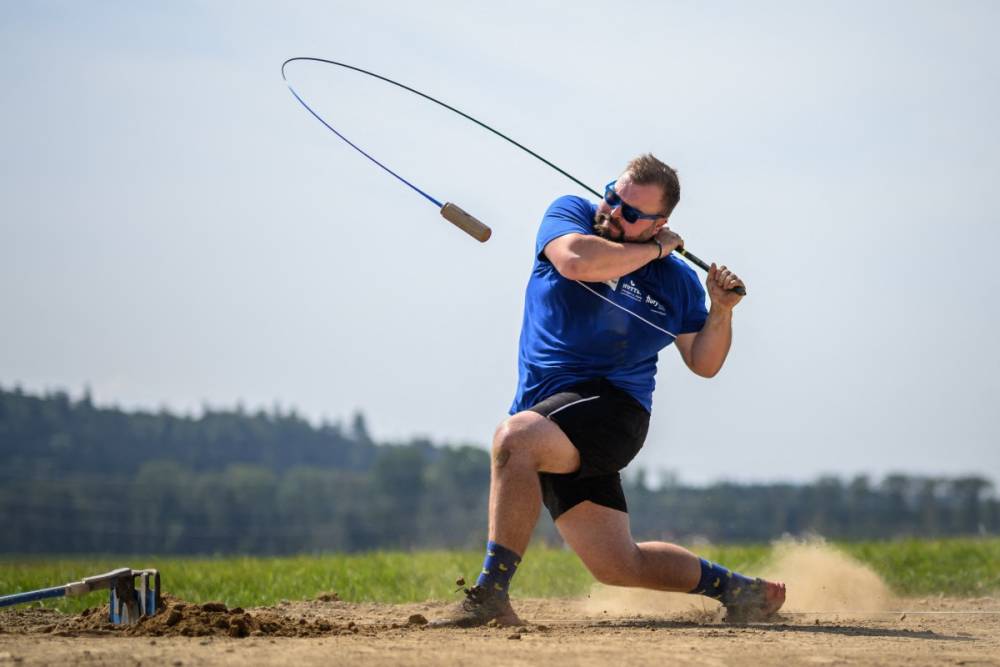
Switzerland: Hornussen
What it is: Known as “Alpine baseball,” players use a long whip to launch a heavy puck (Hornuss) as far as possible, while opponents try to stop it with wooden paddles.
Why watch: This rural Swiss sport is a unique blend of skill and tradition, often played at local festivals.
Finland: Pesäpallo (Finnish Baseball)
What it is: A fast-paced bat-and-ball game similar to baseball but with unique rules and a vertical pitching style.
Why watch: Pesäpallo is a summer staple in Finland, especially in smaller towns, and offers a fun, fast alternative to traditional baseball.
Hungary: Baranta (Traditional Martial Arts & Games)
What it is: A revival of traditional Hungarian folk body culture, including combat sports, archery, and equestrian skills.
Why watch: Baranta is a living museum of Hungarian heritage, with competitions and demonstrations that showcase ancient warrior traditions.
Italy: Calcio Storico (Historic Football)
What it is: A brutal, no-holds-barred mix of rugby, wrestling, and soccer, played in Renaissance costume in Florence.
Why watch: This is not just a sport—it’s a historical reenactment, with matches held in Piazza Santa Croce and a festival atmosphere.
Spain (Valencia): Pilota Valenciana
What it is: A traditional handball game played in a street or court, with players using their hands to strike a ball against a wall.
Why watch: Pilota is a cornerstone of Valencian culture, with different versions played across the region.
Netherlands: Fierljeppen (Pole Vaulting Over Canals)
What it is: A rural sport where athletes vault over canals using long poles, aiming for distance and style.
Why watch: Fierljeppen is a quirky, acrobatic spectacle, especially in Friesland, where it’s a summer tradition.
Portugal: Jogo do Pau (Portuguese Stick Fighting)
What it is: A traditional martial art using wooden staffs, with roots in medieval combat and rural self-defense.
Why watch: Jogo do Pau is a dynamic, skillful display of Portuguese martial heritage, often performed at cultural festivals.
Why Experience These Sports?
These games are more than just athletic contests—they are living traditions, connecting communities to their history and identity.
Attending a match or festival offers a deeper understanding of local culture and a chance to see Europe’s rich heritage in action.